


Our hardware design and development capabilities span the complete engineering cycle—from creating robust schematic and PCB designs to integrating fully optimized hardware solutions. We support rapid innovation through prototyping, delivering both proof-of-concept (PoC) and minimum viable product (MVP) versions to validate ideas quickly. With expertise in FPGA-based design, we enable flexible, user-programmable hardware architectures tailored to evolving requirements. Our services also include component and platform selection to ensure cost-effective, efficient BOM development. Additionally, we offer comprehensive mechanical design services to create precise, functional enclosures and physical components that bring the product’s form and function together seamlessly.

Hardware design and development involves creating robust and reliable electronic systems tailored to product requirements. This includes crafting detailed schematics, designing efficient PCB layouts, selecting optimal components, and ensuring seamless integration between hardware modules. The goal is to build a high-performance, scalable, and production-ready hardware foundation that supports the complete functionality of the device.
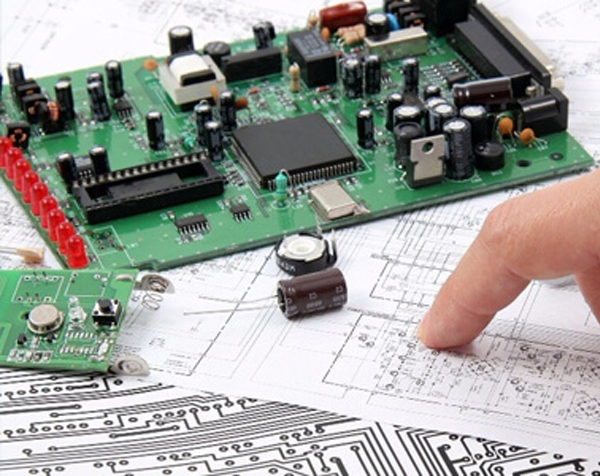
Prototyping focuses on transforming ideas into functional early-stage models such as Proof-of-Concept (PoC) and Minimum Viable Product (MVP) versions. These prototypes help validate technical feasibility, test critical features, and refine design assumptions before moving toward full-scale development. This phase ensures faster iterations, reduced risk, and a clearer roadmap for achieving the final product.
FPGA-based design leverages Field-Programmable Gate Arrays to create highly customizable and reconfigurable hardware solutions. This approach enables rapid development, real-time processing, parallel computing, and the flexibility to update logic even after deployment. FPGA designs are ideal for applications requiring speed, precision, and adaptability, such as signal processing, automation, telecommunications, and AI-driven systems.
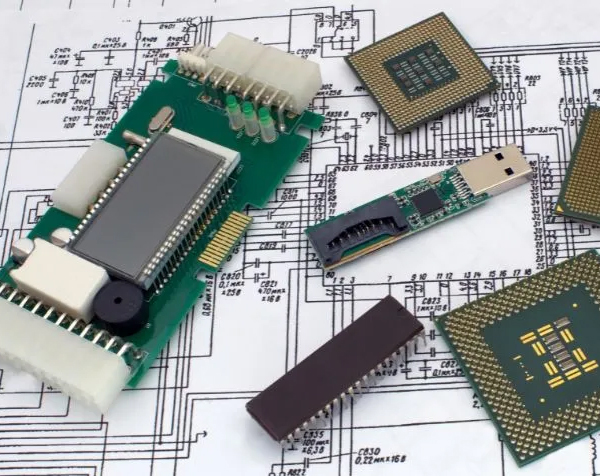
Component selection is a critical step that ensures the product is built on a reliable, cost-effective, and scalable foundation. This process includes evaluating hardware platforms, selecting compatible components, and optimizing the Bill of Materials (BOM) based on performance, availability, cost, and longevity. Smart component selection helps streamline production, reduce cost, and enhance overall product durability.
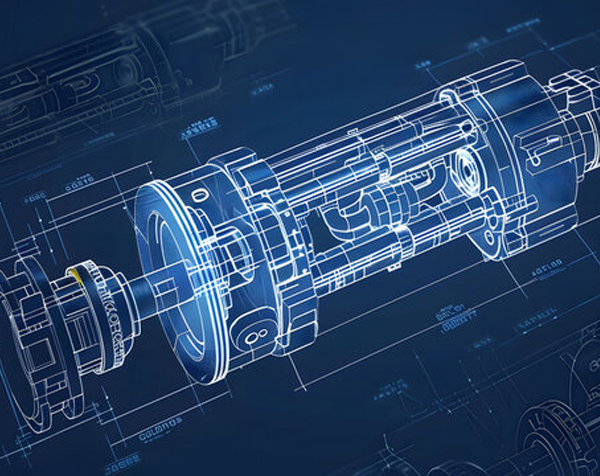
Mechanical design involves creating the physical structure, enclosure, and mechanical components of the device. This includes industrial design, 3D modeling, thermal considerations, and structural analysis to ensure durability, usability, and aesthetics. A well-engineered mechanical design enhances user experience, protects internal components, and prepares the product for manufacturing and real-world use.