

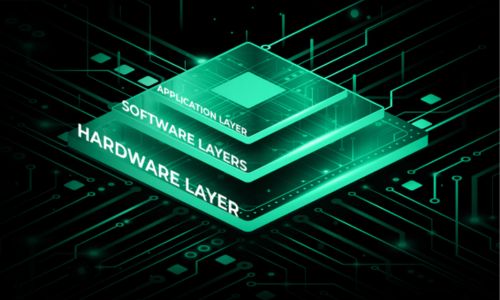
System engineering involves designing the complete architecture of the embedded system, ensuring that every hardware and software component works together seamlessly. This includes the board bring-up process, where hardware is initialized and tested at a low level to validate core functionality. Throughout development, rigorous debugging and testing are performed to identify, diagnose, and resolve issues, ensuring smooth operation. Comprehensive design verification further confirms that the system meets all functional, performance, and reliability requirements. Beyond development, sustenance engineering provides long-term maintenance, updates, and support to ensure the product remains reliable, secure, and efficient throughout its lifecycle.

System architecture involves designing the complete structure of the embedded system, defining how hardware, firmware, software, and interfaces work together. This process ensures optimal performance, scalability, and reliability by carefully planning data flow, communication protocols, power management, and system-level interactions. A strong architecture serves as the blueprint for a successful and efficient embedded product.
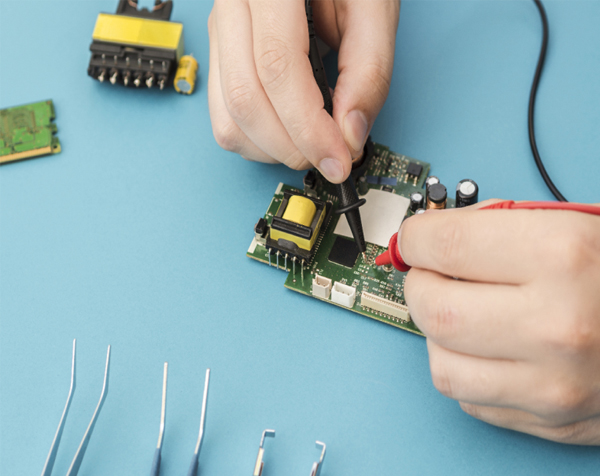
Board bring-up is the critical initial phase where newly manufactured hardware is powered on, initialized, and tested for the first time. Engineers verify essential components, check power integrity, configure bootloaders, and ensure communication interfaces are functioning properly. This step validates that the hardware design is correct and ready for further software development and system integration.

Debugging and testing ensure the stability, accuracy, and performance of the embedded system throughout its development. Engineers identify and resolve hardware, firmware, and software issues using systematic testing methods, diagnostic tools, and real-time analysis. This continuous validation process helps improve reliability, maintain quality, and prevent defects from progressing into later stages of the product lifecycle.
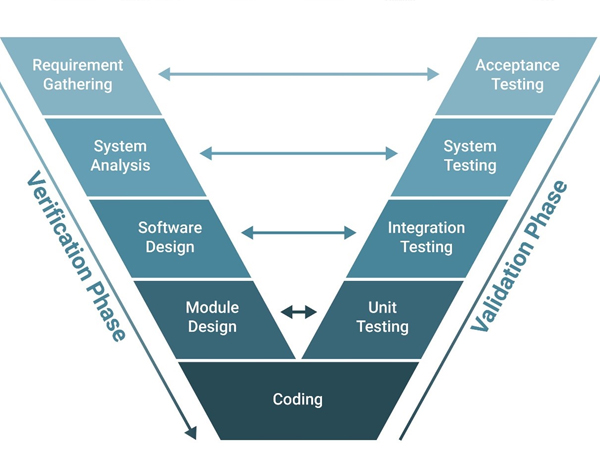
Design verification confirms that the embedded system meets all intended functional, performance, and safety requirements. This includes validating each subsystem, running compliance tests, checking environmental and stress conditions, and ensuring the product behaves as expected under all use cases. Thorough verification reduces risk, ensures regulatory alignment, and builds confidence in the system's readiness for production.
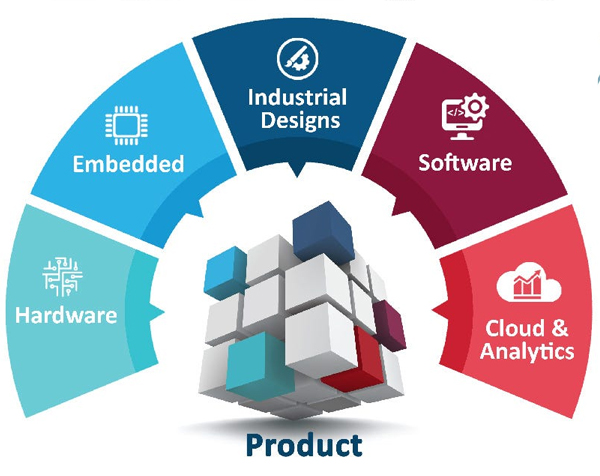
Sustenance engineering provides ongoing support and maintenance for the product after deployment. This includes handling updates, bug fixes, performance enhancements, component replacements, and long-term product care to ensure continued reliability. Sustenance engineering extends the lifespan of the product, keeps it aligned with evolving market needs, and ensures smooth operation throughout its entire lifecycle.